 Freezer Fold
Why Homemade Ice Cream Freezes Too Hard
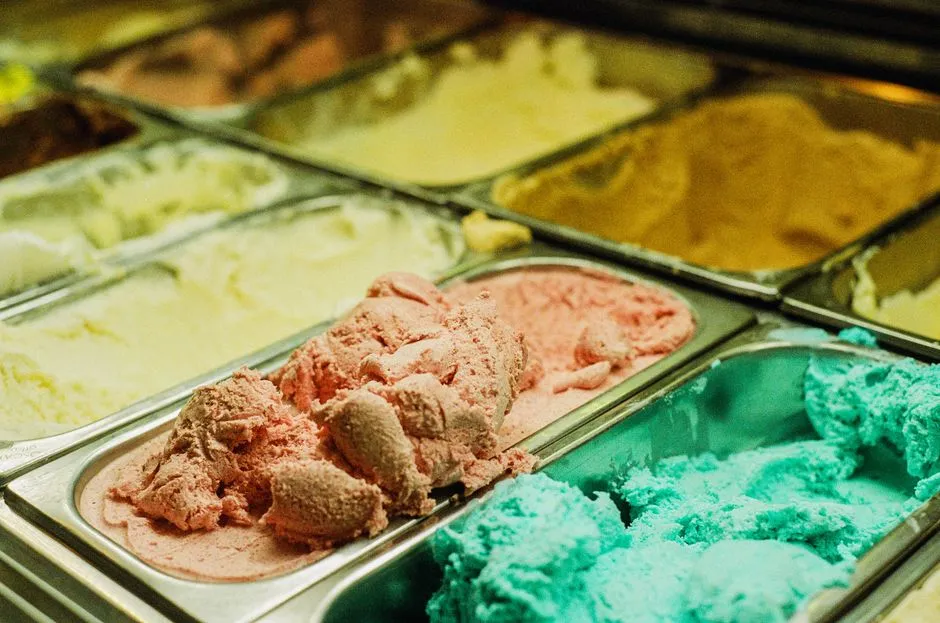
- Is the batch too cold to scoop, or was the formula changed?
- Check the handling history before the texture
- How much softening does the recipe expect?
- Why does reducing sugar matter?
- What about cream, air, and alcohol?
- Record one clear next-batch decision
- Keep the next base and its ingredients safe
- Frequently asked questions
- Sources
Is the batch too cold to scoop, or was the formula changed?
Homemade ice cream can freeze very hard because of its serving temperature, reduced sugar, or a dense structure with little incorporated air. Compare the batch with its original recipe before changing ingredients; brief recipe-directed softening is different from thawing. Keep the freezer at 0°F, use pasteurized dairy and pasteurized eggs or a properly cooked egg base, and check allergens. Never taste uncertain food for safety. Discard outage-thawed ice cream, even if ice crystals remain.
A hard tub is disappointing, but it does not automatically mean the machine failed. This desk-researched guide separates the serving decision from the next-batch decision. It does not present a newly tested recipe or promise that every hard batch can be rescued.
Check the handling history before the texture
Do not taste a questionable batch to decide whether it is safe. After a power outage, use the ice-cream row in the FoodSafety.gov frozen-food chart: it says discard in both listed conditions, including when crystals remain and the product feels refrigerator-cold.
For normal storage, the FDA recommends a freezer at 0°F and a refrigerator at or below 40°F. Use an appliance thermometer, not scoop resistance, to check storage. Freezing does not kill most bacteria.
With the safety question settled, compare the complaint with the recipe's intended result:
| Observation in a safely handled batch | First question | Next action |
|---|---|---|
| Smooth, firm block after storage | Does the recipe include softening before serving? | Follow that recipe's serving directions |
| Much harder after an ingredient substitution | What changed in the ingredient list? | Audit the change before reformulating |
| Dense result after using a different method | Was the recipe intended for this machine or no-churn process? | Return to the specified method |
| Noticeable crystals throughout | Is the problem crystal texture rather than firmness alone? | Review freezing and storage separately |
The distinction matters: leaving a serving briefly to soften cannot reconstruct an altered formula.
How much softening does the recipe expect?
Cuisinart's published Simple Vanilla Ice Cream illustrates the difference between freshly churned texture and freezer-hardened texture. Its method describes a soft result after churning, optional additional freezing for about two hours, and removal from the freezer about 15 minutes before serving.
Those timings belong to that recipe. They are not instructions to leave every tub out for 15 minutes regardless of its size, starting condition, or surroundings. Follow the complete recipe and your appliance manual. Do not force a utensil into a solid block or use a knife to pry out servings.
Plan for only the quantity being served. Keep the rest frozen where practical, and avoid repeatedly warming the whole batch. The FDA's room-temperature limit for perishables is two hours, or one hour when the air is above 90°F. Those are limits, not suggested tempering durations. Discard food that exceeds safe handling limits; a cold center does not justify extended room-temperature holding.
Why does reducing sugar matter?
Sugar is not only a flavor adjustment. The University of Guelph's sweetener chapter explains that dissolved sugars lower the freezing point, allowing some water to remain unfrozen at low temperatures. Sweetness, solids, and freezing behavior must be balanced together.
That is why removing sugar without replacing its functional role can make a batch harder. It also explains why a spoon-for-spoon switch between different sweeteners is not automatically equivalent.
Here is an original, hypothetical change record using the sugar amount printed in Cuisinart's recipe. It is arithmetic, not an observed kitchen trial:
| Item | Published amount | Hypothetical amount used | Difference |
|---|---|---|---|
| Granulated sugar | 3/4 cup | 1/2 cup | 1/4 cup less |
| Fraction of listed sugar removed | — | — | (1/4) ÷ (3/4) = 1/3 |
Removing one-third of the listed sugar is a substantial formula change. It is not the same as removing one-third of all sugars in the dessert: dairy and other ingredients may contribute sugars too. Nor does it predict a one-third change in hardness or a particular freezing temperature.
For a lower-sugar requirement, choose a recipe developed for that requirement. The practical next step is finding an appropriate formula, not adding a guessed corrective spoonful to the finished tub.
What about cream, air, and alcohol?
Check the exact dairy ingredients as well as the sugar. Cuisinart's example specifies whole milk and heavy cream. A different milk or cream product means the batch no longer matches that ingredient list; do not assume adding extra cream afterward restores the original balance.
Churning also does more than cool the mixture. Guelph's freezing and whipping chapter describes freezing part of the water while incorporating air, which contributes lightness. Use the recipe's method and the machine's capacity and endpoint instructions. Longer churning is not a universal solution for a dense batch.
Alcohol can lower a mixture's freezing point, as Nigella's recipe team explains. That does not make it a default household ingredient or a repair dose. It changes suitability as well as texture. Choose a complete alcohol-containing recipe only when appropriate for everyone being served; do not add it to children's portions or assume the freezer removes it.
Record one clear next-batch decision
Use this short record before another attempt:
- Recipe title and source.
- Exact sugar, dairy, and other ingredient changes.
- Machine and method used.
- Whether the result was hard immediately or only after storage.
- Measured freezer temperature.
- The recipe's serving instructions.
- One intended change next time.
For the hypothetical sugar-reduction batch, the next comparison would restore the published ingredient amount, if that recipe suits the household. It would not simultaneously change the machine, add alcohol, and increase cream.
More process reading is grouped in Ice Cream Skills; comparisons between dessert methods are in Frozen Dessert Basics.
Keep the next base and its ingredients safe
Use pasteurized milk and cream. For eggs, the FDA's homemade-ice-cream guidance identifies pasteurized egg options, cooked-base recipes, and egg-free recipes. It advises a cooked base for optimal safety even with pasteurized products, especially for people at higher risk. Follow the complete cooking and prompt cooling method; prevent cross-contamination.
Check every ingredient and mix-in for allergens. Egg-free does not mean milk-free, and an ingredient substitution can introduce another allergen. Read the complete current package information; a voluntary advisory warning's absence is not proof against cross-contact. Ask the manufacturer when uncertain. FDA allergen guidance
Frequently asked questions
How long should homemade ice cream soften before serving?
Use the time specified for the actual recipe. Cuisinart's Simple Vanilla Ice Cream example calls for about 15 minutes after freezer storage, but that is not a universal timing rule. Keep serving brief, avoid repeated whole-tub softening, and do not treat a recipe's timing as permission to salvage ice cream affected by unsafe storage or a power-outage thaw.
Does cutting sugar make ice cream harder?
It can. Dissolved sugars affect freezing as well as sweetness, so a reduction changes the formula's behavior. In the illustrative record here, reducing the listed sugar from three-quarters cup to one-half cup removes one-third of that ingredient, not a negligible amount. This arithmetic does not predict firmness. Choose a developed lower-sugar recipe instead of an improvised replacement.
Should I make the freezer warmer for easier scooping?
Do not raise storage temperature beyond safe frozen-food guidance to solve one dessert's texture. The FDA recommends a freezer temperature of 0°F and checking it with an appliance thermometer. Use the recipe's serving approach and review the formula instead. Hardness is not a thermometer reading, and a scoopable texture does not establish that food was stored safely.
Can I add alcohol to the finished tub to soften it?
Do not treat added alcohol as a universal repair. It changes freezing behavior, flavor, and who can eat the dessert. This guide gives no alcohol dose or mixing procedure. If alcohol suits everyone being served, choose a complete recipe developed with it; otherwise choose an alcohol-free formula. Do not assume freezing removes alcohol or makes it suitable for children.
Can melted ice cream be refrozen if it still has crystals?
For power-outage decisions, FoodSafety.gov specifically says to discard ice cream and frozen yogurt even when crystals remain and the food feels refrigerator-cold. Do not apply the chart's general refreezing permission to this exception. Never taste to decide safety. If handling history is uncertain, discard the batch rather than using a texture fix or refreezing as a safety reset.
Sources
- Cuisinart: Simple Vanilla Ice Cream
- University of Guelph: sweeteners
- University of Guelph: freezing and whipping
- Nigella: freezing fruit sorbet
- FDA: safe food storage
- FDA: homemade ice cream and egg safety
- FDA: food-allergen labels
- FoodSafety.gov: power-outage decisions
Frequently asked questions
How long should homemade ice cream soften before serving?
Use the time specified for the actual recipe. Cuisinart's Simple Vanilla Ice Cream example calls for about 15 minutes after freezer storage, but that is not a universal timing rule. Keep serving brief, avoid repeated whole-tub softening, and do not treat a recipe's timing as permission to salvage ice cream affected by unsafe storage or a power-outage thaw.
Does cutting sugar make ice cream harder?
It can. Dissolved sugars affect freezing as well as sweetness, so a reduction changes the formula's behavior. In the illustrative record here, reducing the listed sugar from three-quarters cup to one-half cup removes one-third of that ingredient, not a negligible amount. This arithmetic does not predict firmness. Choose a developed lower-sugar recipe instead of an improvised replacement.
Should I make the freezer warmer for easier scooping?
Do not raise storage temperature beyond safe frozen-food guidance to solve one dessert's texture. The FDA recommends a freezer temperature of 0°F and checking it with an appliance thermometer. Use the recipe's serving approach and review the formula instead. Hardness is not a thermometer reading, and a scoopable texture does not establish that food was stored safely.
Can I add alcohol to the finished tub to soften it?
Do not treat added alcohol as a universal repair. It changes freezing behavior, flavor, and who can eat the dessert. This guide gives no alcohol dose or mixing procedure. If alcohol suits everyone being served, choose a complete recipe developed with it; otherwise choose an alcohol-free formula. Do not assume freezing removes alcohol or makes it suitable for children.
Can melted ice cream be refrozen if it still has crystals?
For power-outage decisions, FoodSafety.gov specifically says to discard ice cream and frozen yogurt even when crystals remain and the food feels refrigerator-cold. Do not apply the chart's general refreezing permission to this exception. Never taste to decide safety. If handling history is uncertain, discard the batch rather than using a texture fix or refreezing as a safety reset.